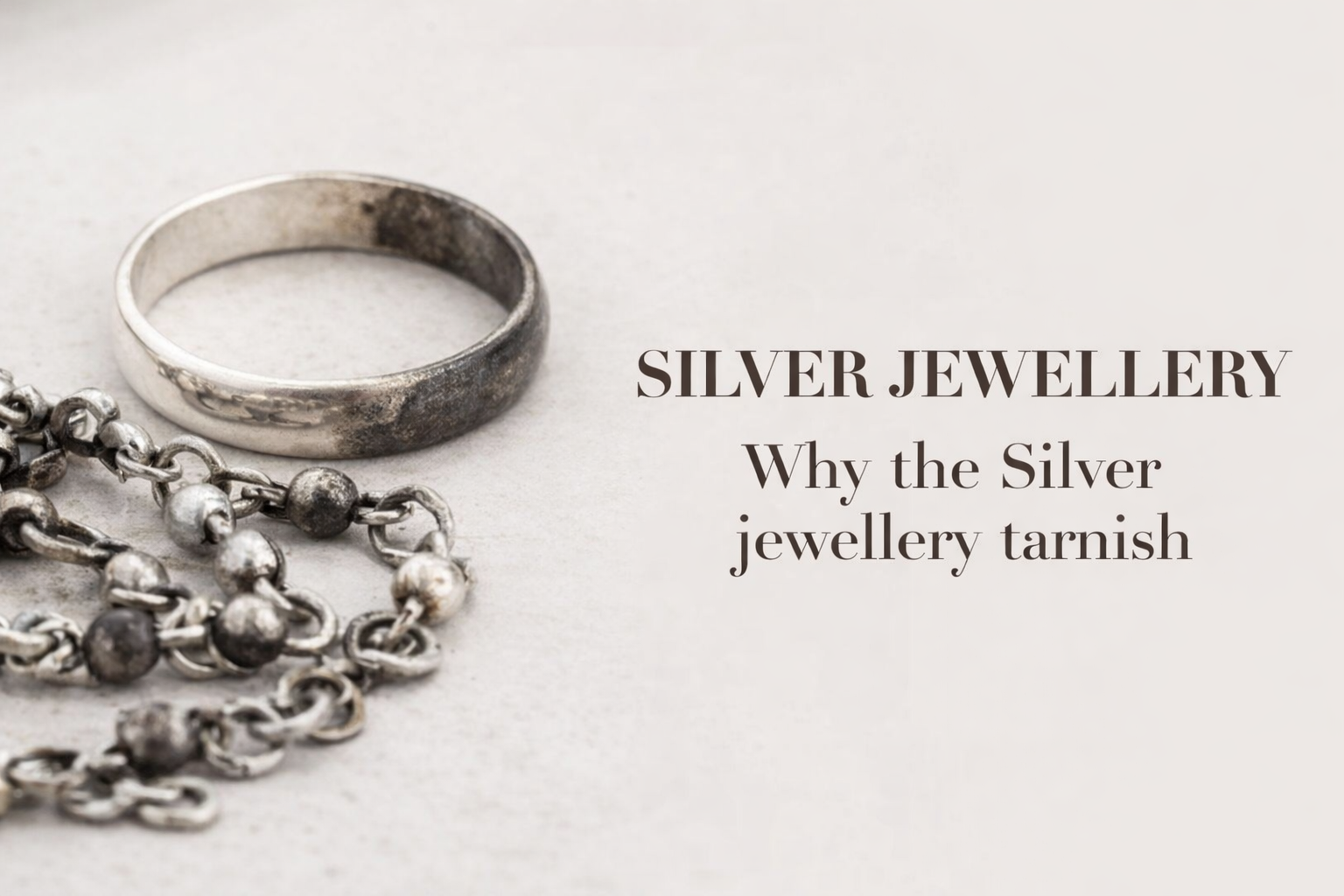
Why the Silver jewellery tarnish?
Silver Jewellery – Why It's so popular and How Does Silver Tarnish?
Silver jewellery is highly sought after for its lustre and affordability. Silver is one of the most popular precious metals used in jewellery making. It is known for its malleability, ductility, and resistance to oxidation, which makes it a preferred material.
Silver jewellery is a favourite accessory for many women. What makes it so special are the beautiful and varied designs created for every occasion. Moreover, as a noble metal, silver is hypoallergenic, meaning that jewellery made from it is suitable for people who are allergic to other metals.
When we talk about silver jewellery, it’s important to note that silver tends to tarnish over time. This is perfectly natural and not a cause for concern. There are several ways to clean your jewellery and restore its original shine.
A common question among the customers is: Why does silver tarnish? In this article, we’ll answer this questions and will share some useful tips.
We believe that careful attention and proper care of these small treasures are key to enjoying them for many years to come—and perhaps even turning them into cherished family heirlooms passed down through generations.
Why and How Does Silver Tarnish?
Before discussing why silver tarnishes, it’s worth mentioning that metal which is 99.9% pure silver does not tarnish. Unfortunately, pure silver is too soft to be used in jewellery. Generally, the more highly polished the silver, the less it tends to oxidise.
The type of silver most commonly used in jewellery is known as 925 silver or sterling silver. It contains 92.5% pure silver, with the remaining 7.5% made up of another metal—usually copper. The main cause of tarnishing lies in those 7.5%, whether copper or another alloy.
Copper and other metals react with sulphur-containing gases in the air. Sulphur is a chemical element naturally present around us in the form of sulphide and sulphate minerals.
When silver jewellery comes into contact with these sulphur compounds, a chemical reaction forms silver sulphide, which appears as a black coating on the surface. This thin dark layer causes the familiar tarnishing, or oxidation, that dulls silver’s distinctive shine. The main culprits behind this are air, humidity, and human perspiration.
It’s also worth noting that some silver jewellery is intentionally oxidised to achieve an antique or vintage look. This effect is created through a controlled chemical process involving sulphur.
How Long Does It Take for Silver to Tarnish?
The rate at which silver tarnishes varies greatly depending on environmental conditions. The process accelerates when there are higher concentrations of sulphur compounds in the air or when humidity levels are high. Tarnishing can be significantly delayed when the relative humidity is kept below 50%.
Human sweat, which contains moisture and salts, also contributes to tarnishing. For this reason, it’s best to avoid wearing silver jewellery while exercising.
In addition to natural factors, everyday products such as cosmetics, perfumes, deodorants, hair sprays, and cleaning agents can cause silver to tarnish more quickly. These contain chemicals that react with sterling silver and trigger oxidation.
To reduce tarnishing, try to limit your jewellery’s contact with such products. In short, how quickly your silver pieces tarnish depends mainly on how often they’re worn and how they’re stored.
Jewellery coated with rhodium tarnishes much more slowly. Rhodium is a silvery-white noble metal renowned for its hardness and remarkable resistance to corrosion. Because of its high price, jewellery made entirely from rhodium is extremely rare and costly.
However, jewellers often apply a thin layer of rhodium to silver pieces. This coating protects the jewellery from tarnishing and scratching while giving it a beautifully bright and enduring shine.